Where barrier breakers like Irene Morgan, T.C. Walker and Robert Russa Moton shaped a legacy of resilience, leadership and equality
The connection of Gloucester County, Virginia, to civil rights history is reflected in the lives of several remarkable individuals, namely Irene Morgan, T.C. Walker and Robert Russa Moton, and the landmarks that interpret their legacy. These people and places helped shape the local and national struggle for African American equality, breaking barriers and building foundations for future generations. You will find this history, interpreted through stories of sacrifice, resilience, tenacity and leadership, incorporated into exhibits at the Gloucester Museum of History and throughout numerous historic sites across the county.
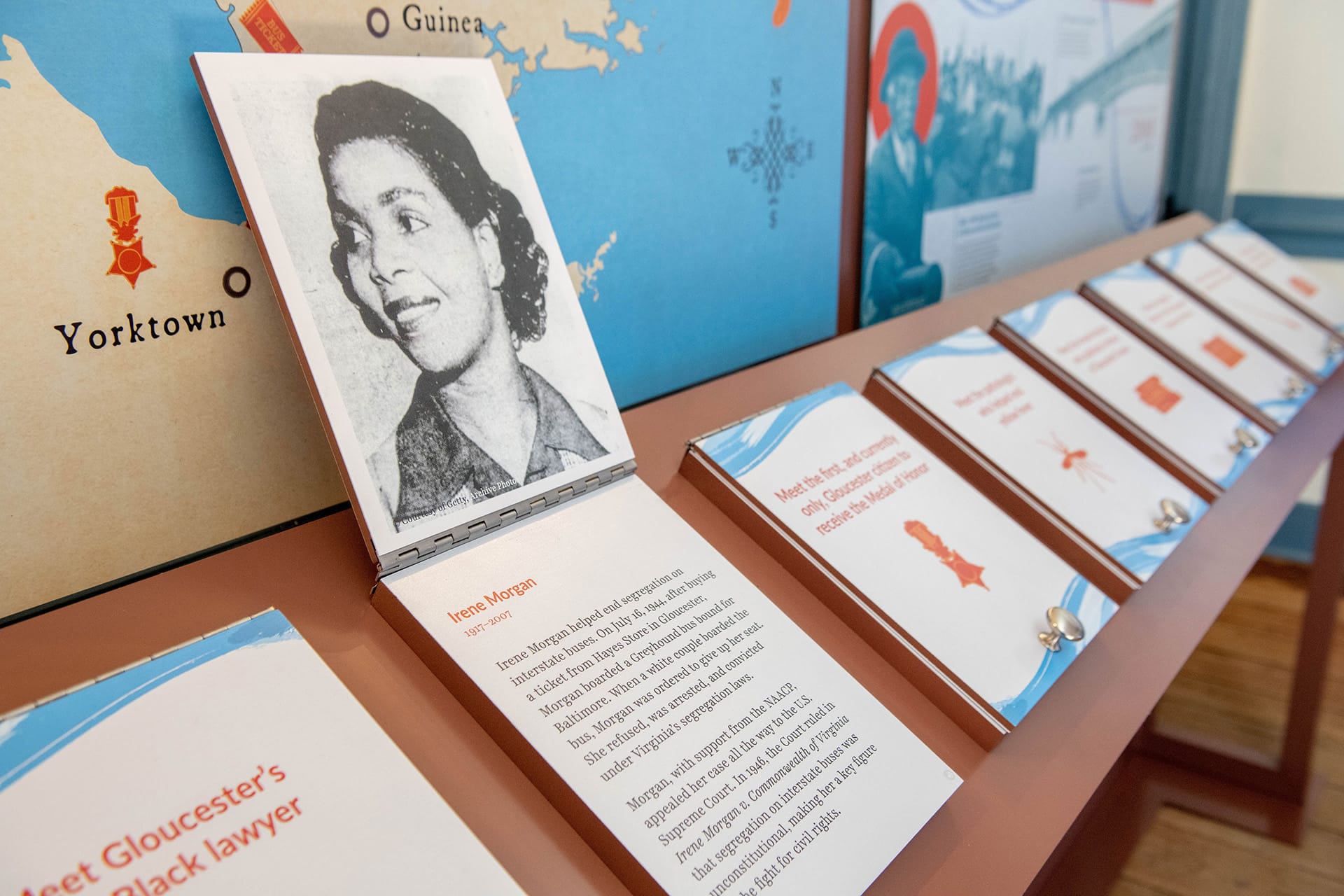
Irene Morgan
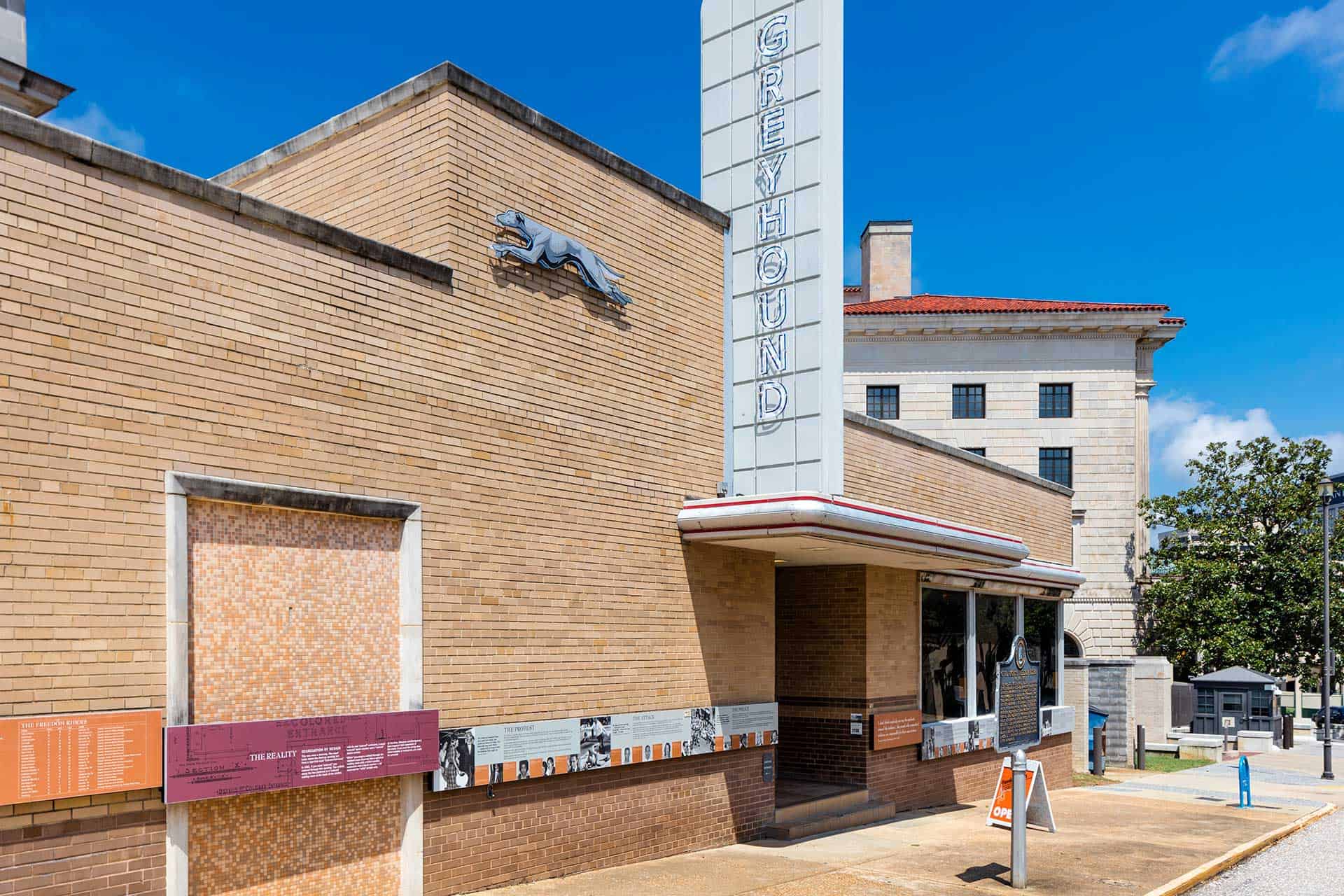
On July 16, 1944, Irene Morgan, while traveling from Gloucester to Baltimore, refused to give up her seat on a Greyhound bus she had boarded at the Hayes Store Post Office. Arrested and jailed in nearby Saluda, her resolve led to the landmark Supreme Court case Morgan v. Virginia (1946), which overturned laws enforcing segregation on interstate transportation. This ruling set a precedent, fueling later civil rights victories and helping dismantle Jim Crow regulations. Morgan’s pivotal act occurred more than a decade before that of Rosa Parks, underscoring Gloucester County’s role in the movement. Today, a Virginia highway marker near Hayes commemorates her legacy, and the Gloucester Museum of History tells her story.
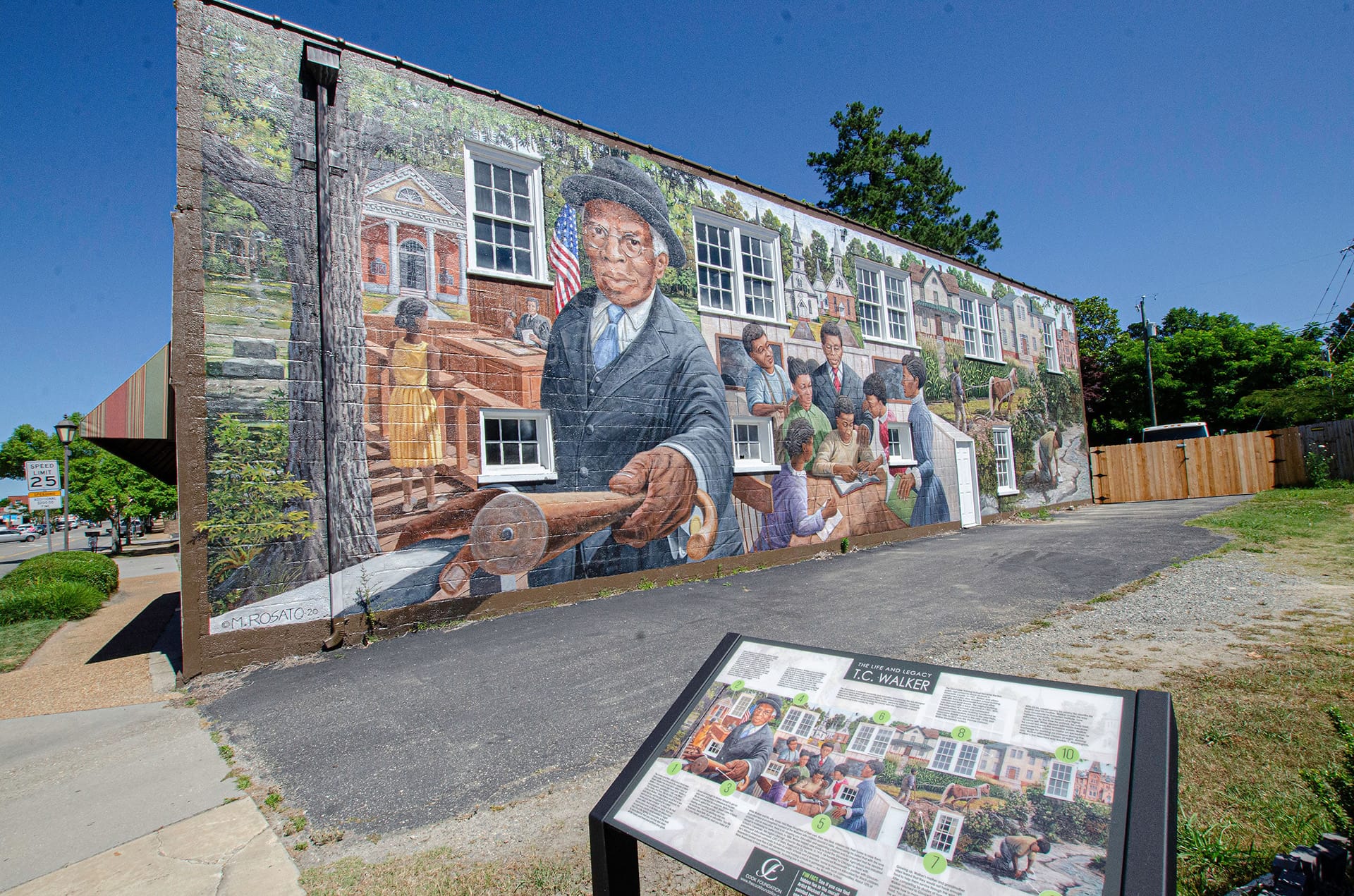
Thomas Calhoun “T.C.” Walker
Born enslaved, T.C. Walker rose to become Gloucester’s first Black lawyer and was a lifelong advocate for Black education and landownership. He attended Hampton Institute and led efforts to establish the Gloucester Training School and the Gloucester Land and Brick Company, opening doors for African Americans to gain education and homes. His public service included Gloucester County Board of Supervisors membership and federal appointments as Collector of Customs and Advisor on Negro Affairs. Visitors to Main Street will find his home, commemorated by a Virginia highway marker, a mural dedicated in 2020 displaying his life story, and a permanent exhibit about his life in the Gloucester Museum of History.
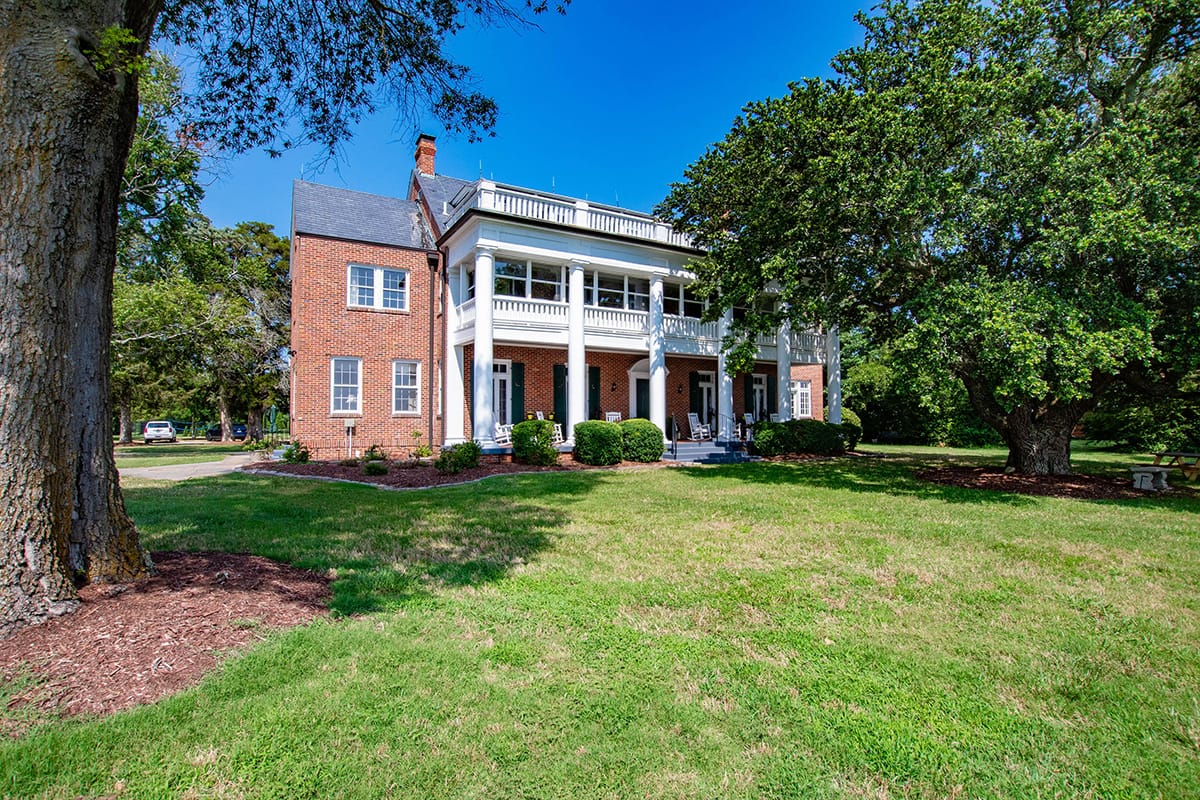
Robert Russa Moton
Robert Russa Moton’s career expanded far beyond Gloucester. Succeeding Booker T. Washington as leader of Tuskegee Institute, he advocated for educational opportunity, supported Black veterans and students, and advised five U.S. presidents. Moton co-founded the Urban League, and his Gloucester home, Holly Knoll, became a hub for civil rights conferences. Preserved today, Holly Knoll continues Moton’s work of supporting leadership development and community engagement.
African American Heritage Trail
The Gloucester Museum of History offers a free driving tour, available online and at the Museum or Visitor Center, featuring twelve stops and additional historic markers; the self-paced tour typically takes about an hour to complete. Highlights of the tour include historic Black churches, the Woodville and Bethel Rosenwald Schools, and sites directly connected to national figures such as Irene Morgan, T.C. Walker and Robert Russa Moton and lesser-known local heroes such as James Daniel Gardner and Eldridge Cook.