1951APRIL 23, 1951
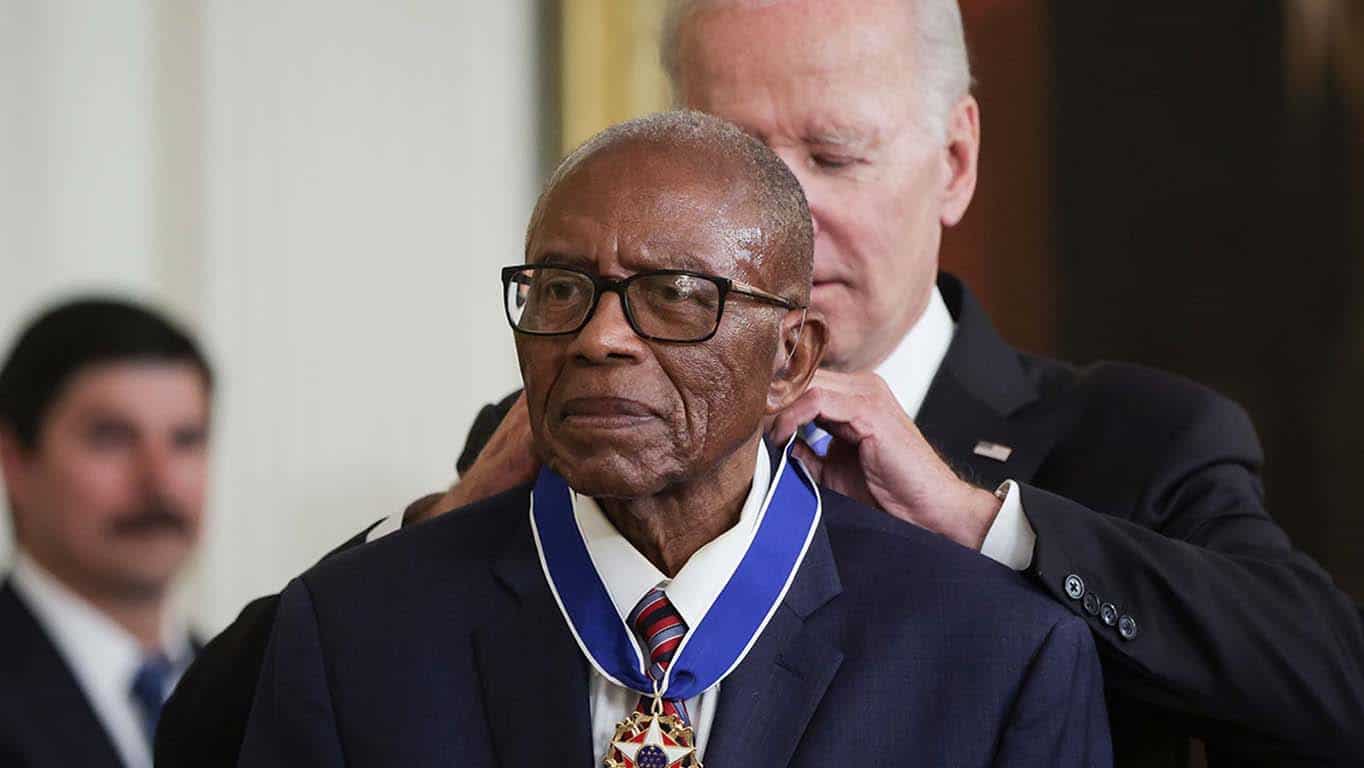
FARMVILLE, VA Walkout at Robert Russa Moton High SchoolSixteen-year-old Barbara Johns leads a student walkout of Robert Russa Moton High School in Farmville, Virginia, in protest of the school’s poor conditions.Learn MoreFARMVILLE, VA 1954SEPTEMBER 1, 1954
MONTGOMERY, ALDexter Avenue Baptist ChurchThe Rev. Martin Luther King Jr. begins his pastorate at Dexter Avenue Baptist Church in Montgomery, Alabama.Learn MoreMONTGOMERY, AL1954MAY 17, 1954
WASHINGTON, DCBrown v. Board of EducationThe U.S. Supreme Court rules in Brown v. Board of Education that American public schools should integrate.Learn MoreWASHINGTON, DC1955AUGUST 28, 1955
SUMNER, MSEmmett Till's MurderEmmett Till’s funeral and murder trial electrify the civil rights community.Learn MoreSUMNER, MS1955DECEMBER 1, 1955
MONTGOMERY, ALRosa Park's ArrestRosa Parks is arrested for refusing to surrender her seat to a white passenger on a Montgomery bus.Learn MoreMONTGOMERY, AL1956JUNE 5, 1956
MONTGOMERY, ALDesegregation of Public BusesJudge Frank M. Johnson Jr. and the U.S. District Court in Alabama strike down the legality of segregated bus seating. The Montgomery Bus Boycott ends after 12 months.Learn MoreMONTGOMERY, AL1956AUGUST 26, 1956
CLINTON, TNFirst Day of Class at Newly Integrated Clinton High SchoolA group of African-American students – the Clinton 12 – attended their first day of class at Clinton High School, marking the first integration of a public high school in the South.Learn MoreCLINTON, TN1956DECEMBER 25, 1956
BIRMINGHAM, ALBethel Baptist ChurchThe home of the Rev. Fred Shuttlesworth, civil rights leader and pastor of Bethel Baptist Church, is bombed in Birmingham, Alabama.Learn MoreBIRMINGHAM, AL1957JANUARY 10, 1957
ATLANTA, GAFormation of the SCLCDr. King is named president of the newly formed Southern Christian Leadership Conference.Learn MoreATLANTA, GA1957SEPTEMBER 9, 1957
WASHINGTON, DCCivil Rights Act of 1957President Dwight D. Eisenhower signs the Civil Rights Act of 1957 into law.Learn MoreWASHINGTON, DC1957SEPTEMBER 1957
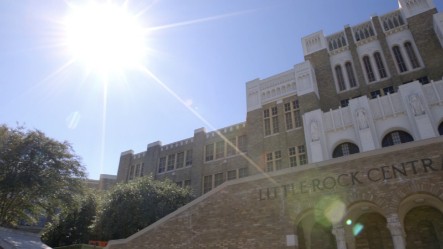
LITTLE ROCK, ARLittle Rock Central High SchoolThe Little Rock Nine are blocked from entering Central High School by the Arkansas National Guard, and then escorted in by the U.S. Army’s 101st Airborne Division.Learn MoreLITTLE ROCK, AR1960FEBRUARY 1, 1960
GREENSBORO, N.C.Greensboro Sit-InsFour Black students stage the first sit-in at a Woolworth’s lunch counter in Greensboro, North Carolina.Learn MoreGREENSBORO, N.C.1960FEBRUARY 13, 1960
NASHVILLE, TNNashville Sit-InsUnder the training of activist James Lawson, students begin nonviolent sit-ins in Nashville, Tennessee.Learn MoreNASHVILLE, TN1960MAY 20, 1960
NASHVILLE, TNHouse Bombing Protest Ends at the Davidson County CourthouseA bomb thrown at civil rights attorney Z. Alexander Looby’s house set off a protest in Nashville. The protest ended at the Davidson County Courthouse and in response to protestor questions, the mayor conceded that segregation was immoral and that the city’s lunch counters should be integrated.Learn MoreNASHVILLE, TN1960JULY 25, 1960
GREENSBORO, N.C.Integration of Woolworth's Lunch CounterStaff at the Woolworth’s lunch counter in Greensboro, North Carolina, serve their first Black customers.Learn MoreGREENSBORO, N.C.1960NOVEMBER 14, 1960
NEW ORLEANS, LAWilliam Frantz ElementarySix-year-old Ruby Bridges becomes the first Black student to attend William Frantz Elementary in New Orleans, Louisiana.Learn MoreNEW ORLEANS, LA1960NOVEMBER 14, 1960
WASHINGTON, DCBoynton v. VirginiaThe United States Supreme Court holds that racial segregation of bus terminals is illegal in that it violates the Interstate Commerce Act.Learn MoreWASHINGTON, DC1961MAY 1961
ALABAMAFreedom RidesFreedom Riders are attacked by angry mobs across the South, including in the Alabama cities of Anniston, Birmingham and Montgomery.Learn MoreALABAMA1962SEPTEMBER 30, 1962
OXFORD, MSDesegregation of the University of MississippiDesegregation sparks a violent riot on the University of Mississippi campus after Supreme Court Justice Hugo Black orders Ole Miss to admit James Meredith, a Black student, to the university.Learn MoreOXFORD, MS1963APRIL - MAY 1963
BIRMINGHAM, ALThe Birmingham CampaignOrganized by the SCLC and the Alabama Christian Movement for Human Rights, the Birmingham Campaign protests segregation in the city with daily gatherings and demonstrations. Protesters are arrested and attacked with tear gas, fire hoses and police dogs.Learn MoreBIRMINGHAM, AL1963MAY 19, 1963
BIRMINGHAM, ALLetter From Birmingham JailDr. King’s “Letter From Birmingham Jail” is issued to the public.Learn MoreBIRMINGHAM, AL1963JUNE 11, 1963
TUSCALOOSA, ALStand in the Schoolhouse DoorAlabama Gov. George Wallace stands in the schoolhouse door at the University of Alabama to prevent the registration and enrollment of African-American students.Learn MoreTUSCALOOSA, AL1963JUNE 12, 1963
JACKSON, MSMedgar Ever's MurderNAACP field secretary Medgar Evers is shot in front of his Jackson, Mississippi, home. He dies in a hospital a short time later.Learn MoreJACKSON, MS1963AUGUST 28, 1963
WASHINGTON, DCMarch on Washington for Jobs and FreedomDr. King delivers his “I Have a Dream” speech before 200,000 civil rights supporters in Washington, D.C.Learn MoreWASHINGTON, DC1963SEPTEMBER 15, 1963
BIRMINGHAM, ALBombing of 16th Street Baptist Church16th Street Baptist Church in Birmingham is bombed, killing four young girlsLearn MoreBIRMINGHAM, AL1963NOVEMBER 22, 1963
DALLAS, TXPresident Kennedy's Assassination Shortly after noon on November 22, 1963, John F. Kennedy, the 35th president of the United States and originator of the eventual Civil Rights Act of 1964, was assassinated as he rode in a motorcade through Dealey Plaza in downtown Dallas, Texas, in an open-top convertible.DALLAS, TX1964SUMMER 1964
PHILADELPHIA, MSFreedom SummerThe Mississippi Freedom Democratic Party forms in April, leading to a large-scale push for voter registration and education in Mississippi.Learn MorePHILADELPHIA, MS1964JULY 2, 1964
WASHINGTON, DCPresident Lyndon Johnson Signs Civil Rights Act of 1964 Into LawOn July 2, 1964, President Lyndon Johnson signed into law the Civil Rights Act of 1964, the most sweeping civil rights legislation since Reconstruction. It prohibited discrimination in public places and places of employment, and provided for the integration of schools and public facilities. Learn MoreWASHINGTON, DC1964OCTOBER 14, 1964
WASHINGTON, DCDr. King Receives Nobel Peace PrizeMartin Luther King Jr. was awarded the Nobel Peace Prize In 1964. He was recognized for his dynamic leadership of the Civil Rights Movement and his unwavering commitment to achieving racial justice through nonviolent action.Learn MoreWASHINGTON, DC1965MARCH 7, 1965
SELMA, ALBloody SundayMarchers for voting rights crossing the Edmund Pettus Bridge are met with violence on “Bloody Sunday” in Selma, Alabama.Learn MoreSELMA, AL1965MARCH 25, 1965
MONTGOMERY, ALHow Long, Not LongMarchers from across the country successfully complete the journey from Selma to Montgomery, where Dr. King delivers his famous “How Long, Not Long” speech at the state Capitol.Learn MoreMONTGOMERY, AL1965AUGUST 6, 1965
WASHINGTON, DCPresident Johnson Signs Voting Rights Act of 1965 Into Law, Guaranteeing Equal Voting Rights for African-AmericansOn August 6, 1965, President Johnson signed the Voting Rights Act, guaranteeing Black Americans the right to vote as established under the 15th Amendment to the U.S. Constitution. The Voting Rights Act is considered one of the most important pieces of civil rights legislation in U.S. history.Learn MoreWASHINGTON, DC1967OCTOBER 2, 1967
WASHINGTON, DCThurgood Marshall Swearing InThurgood Marshall becomes the first African-American justice of the U.S. Supreme Court.Learn MoreWASHINGTON, DC1968FEBRUARY 12, 1968
MEMPHIS, TNMemphis Sanitation Workers StrikeSanitation workers in Memphis, Tennessee, go on strike to protest unfair working conditions for African-American employees.Learn MoreMEMPHIS, TN1968APRIL 4, 1968
MEMPHIS, TNDr. King’s AssassinationDr. King is assassinated in Memphis.Learn MoreMEMPHIS, TN1968APRIL 11, 1968
WASHINGTON, DCPresident Johnson Signs Civil Rights Act of 1968 Into Law, Prohibiting Discrimination in HousingThe Civil Rights Act of 1968, signed by President Johnson on April 11, picked up where the previous civil rights acts left off. The legislation achieved a national ban on housing discrimination based on race, religion, national origin, sex and, later, disability and family status.Learn MoreWASHINGTON, DCkeyboard_arrow_downkeyboard_arrow_upSKIP TIMELINE keyboard_arrow_downkeyboard_arrow_upkeyboard_arrow_down{{current_slide_index}} - {{total_slide_count}}
“When the cause for what you believe in becomes greater than the cost, you can answer the call no matter the cost.” – Wanda Howard Battle
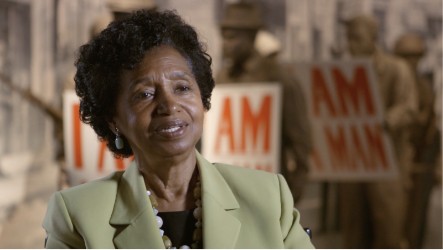
Wanda Howard Battle, tour director at Dexter Avenue King Memorial Baptist Church in Montgomery, Alabama, talks about how the church served as a headquarters for civil rights activists Vernon Johns and Dr. Martin Luther King Jr.
“It was my hopes and dreams and goals, but also my commitment to being in the struggle for my people, being able to keep my head up high.” – Sybil Jordan Hampton
Sybil Jordan Hampton talks about being a part of the second group of African American students who integrated Little Rock Central High School in Arkansas after the U.S. Supreme Court ruled the segregation of public schools was unconstitutional.
“It didn’t matter whether we were arrested or not. We knew we had to continue the fight.” – Elaine Lee Turner
Elaine Lee Turner talks about how she and her sisters dedicated themselves to peaceful protests to help the Civil Rights Movement gain momentum in Memphis, Tennessee.
The U.S. Civil Rights Trail is a collection of churches, courthouses, schools, museums and other landmarks in the Southern states and beyond that played a pivotal role in advancing social justice in the 1950s and 1960s, shifting the course of history. We started this podcast to continue our mission of motivating people to learn more, see more and feel more. Through this podcast we will tell deeper stories of the Civil Rights Movement from people who were there and made a difference.
GET THE BOOK. SHARE THE JOURNEY.
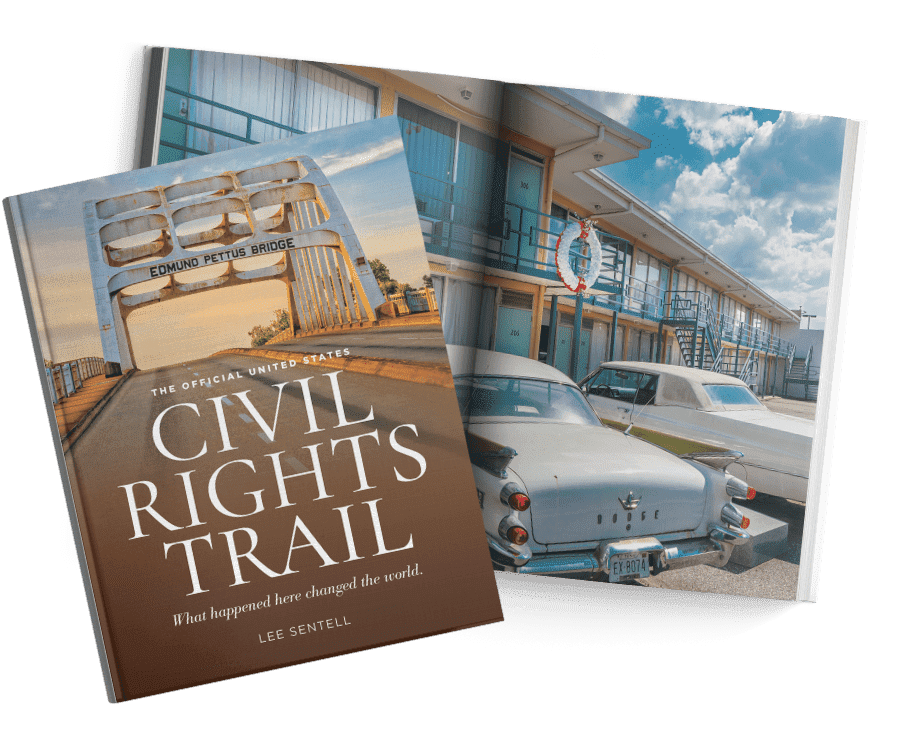
THE OFFICIAL U.S. CIVIL RIGHTS TRAIL BOOK
Get the new, official U.S. Civil Rights Trail book and take a journey through school integration, protest marches, freedom rides and sit-ins. Explore historic sites from Topeka, Kansas, to Memphis, Tennessee, from Atlanta, Georgia, to Selma and Birmingham, Alabama, all the way to Washington, D.C., and see how the places on the trail can build hope for the future.